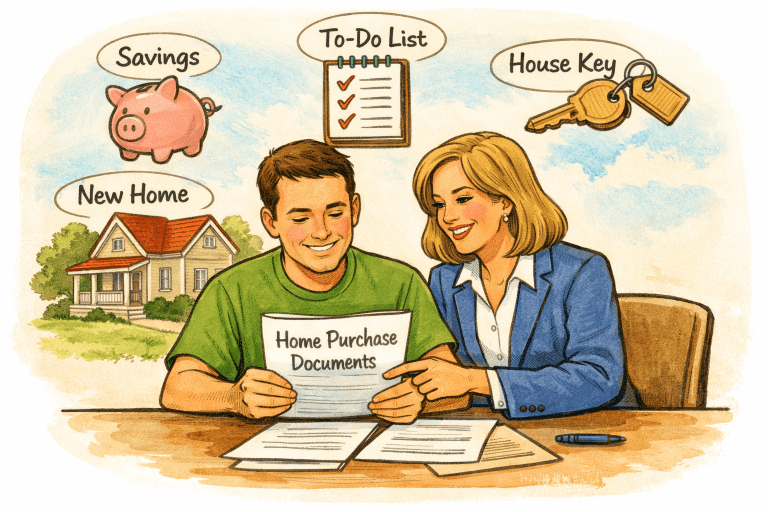
Key Takeaways
- Assess your financial health to determine affordability.
- Enhance your credit score for better mortgage terms.
- Save diligently for down payments and associated costs.
- Get pre-approved to strengthen your buying position.
- Assemble a knowledgeable team to guide you.
Embarking on the journey to homeownership is both exciting and complex. Proper preparation can make the process smoother and more rewarding. Partnering with a knowledgeable real estate professional, such as Wappingers Falls, NY real estate agent Carol Mahoney, can provide invaluable guidance. The Carol Mahoney Team is a full-service, top-producing real estate group covering the beautiful New York. With years of experience and a deep commitment to clients, they offer professional, responsive, and attentive services to home buyers, sellers, and investors. Here are key strategies to help you navigate the path to purchasing your dream home.
Evaluate Your Financial Health
Understanding your financial standing is crucial. Review your income, expenses, and existing debts to determine how much you can comfortably afford. This assessment helps set realistic expectations and prevents future financial strain.
To take your evaluation a step further, consider using online mortgage calculators to estimate monthly payments and see how different interest rates or down payment amounts will affect your costs. Consulting with a financial advisor can also help you refine your long-term financial goals in conjunction with your home purchase, ensuring you’re not overextending yourself. It’s also prudent to factor in potential life changes such as career moves, expanding your family, or pursuing higher education, that may impact your financial scenario in the coming years. Preparing for various possibilities now helps build confidence and security in your home purchase decision.
Boost Your Credit Score
A higher credit score can secure more favorable mortgage rates. To improve your score:
- Pay bills on time.
- Reduce outstanding debts.
- Regularly check your credit report for errors.
These steps can enhance your creditworthiness and lead to better loan terms.
It’s also worth considering maintaining a low credit card utilization rate, aiming for under 30% of your total available credit. If possible, avoid opening new credit accounts or taking out other substantial loans while preparing for a mortgage, as these can temporarily lower your score. If you find any discrepancies on your credit report, address them promptly; even small errors may negatively affect your application. Finally, establishing a long history of responsible credit use is beneficial, so keep older accounts open unless there’s a compelling reason to close them.
Save for Down Payment and Closing Costs
Accumulating funds for a down payment and closing costs is essential. While some loans require as little as 3% down, aiming for 20% can eliminate private mortgage insurance (PMI) and reduce monthly payments. Additionally, set aside funds for closing costs, which typically range from 2% to 5% of the home’s purchase price.
In addition to these standard expenses, consider building a dedicated savings buffer for unexpected costs or emergencies after moving in. Having cash reserves on hand offers peace of mind if sudden repairs or appliance replacements are needed. Explore down payment assistance programs, grants, or employer benefits in your area that can help ease the financial burden for qualified buyers. Additionally, keep receipts and records of large deposits, as lenders may request documentation during underwriting.
Get Pre-Approved for a Mortgage
Obtaining pre-approval from a lender clarifies your budget and demonstrates to sellers that you’re a serious buyer. This process involves a thorough review of your financials and can expedite the buying process when you find the right property.
Pre-approval provides a clear picture of what you can afford, but it’s also an opportunity to compare lenders and understand different mortgage products. Look at both fixed-rate and adjustable-rate mortgage options, and ask about special programs for first-time buyers or veterans if you’re eligible. When you’re pre-approved, you’ll receive a preliminary loan estimate detailing interest rates, terms, and anticipated monthly payments. This information makes it easier to negotiate confidently and move quickly when you find a home you love.
Assemble a Knowledgeable Team
Surround yourself with experienced professionals, including a reputable real estate agent, mortgage broker, and possibly a financial advisor. Their expertise can provide valuable insights and guidance throughout the home-buying journey.
You may also benefit from consulting a real estate attorney, especially if local regulations are complex or if you’re considering purchasing a unique property such as a condo or co-op. Home inspectors and appraisers are other crucial members of your team; they provide independent assessments to ensure the property is in good condition and fairly priced. Open communication within your team reduces surprises and makes the closing process smoother. Selecting experienced professionals with local market knowledge can make all the difference in negotiation and due diligence.
Research the Market
Stay informed about current market conditions, including interest rates, housing inventory, and pricing trends. This knowledge enables you to make informed decisions and identify opportune moments to buy.
Keeping track of neighborhood trends such as planned infrastructure projects, school ratings, and walkability scores can help you select areas where your investment will be protected and may appreciate over time. Attend open houses, review comparable sales (“comps”), and routinely check listings to gain perspective on available choices and price ranges. Pay attention to how long homes stay on the market, and be mindful of seasonal patterns that affect inventory levels and buyer competition. Partnering with a local expert like Carol Mahoney ensures you have access to up-to-date, hyper-local information that may not be available online.
Be Prepared for Additional Costs
Beyond the purchase price, anticipate expenses such as property taxes, homeowners’ insurance, maintenance, and potential repairs. Budgeting for these costs ensures you’re financially prepared for homeownership.
It’s also important to plan for ongoing utility expenses, HOA fees if you’re moving into a managed community, landscaping, and routine seasonal maintenance to keep your property in good condition. Setting up an annual maintenance schedule for tasks such as HVAC servicing, roof inspections, and pest control helps avoid bigger problems down the line. Factor in potential upgrades or renovations you may want to undertake soon after moving in, such as painting or energy-efficiency improvements. Including these items in your initial budget gives you a complete financial picture and helps avoid buyer’s remorse.
Stay Flexible and Patient
The home-buying process can be unpredictable. Remaining flexible with your preferences and patience in your search increases the likelihood of finding a home that meets your needs and budget.
There may be periods of waiting, whether for new listings, seller responses, or loan approvals, so it’s essential to maintain perspective and not rush into decisions. Keep a list of your top priorities, but be willing to compromise on less critical features if necessary. Sometimes, a house with fewer “wish list” items can become your dream home with some improvement and personalization over time. If a particular offer doesn’t work out, trust that another opportunity is around the corner; the right home is worth the wait. Regularly communicating with your real estate agent and revisiting your goals will help you stay focused and positive, even when the road to homeownership gets a bit bumpy.