Lighting plays a bigger role in our homes than we often realize. It shapes how a space looks, feels, and functions on a daily basis. In the living room, where people gather, relax, and spend much of their time, lighting becomes especially important. This is where the concept of modern living room lighting comes into focus.
Rather than relying on a single source of light, today’s approach involves layering different types of illumination to create a balanced and comfortable environment. Understanding modern living room lighting helps homeowners design spaces that feel both functional and inviting.
Why Lighting Matters More Than You Think
The living room serves multiple purposes. It can be a place to unwind after a long day, entertain guests, or even work remotely. Because of this, the lighting needs to be flexible.
Good lighting supports these activities by adjusting to different moods and needs. Bright lighting may be useful during the day, while softer tones can create a relaxed atmosphere in the evening.
Modern living room lighting addresses this need for versatility by combining different lighting elements into one cohesive plan.
The Concept of Layered Lighting
One of the key principles of modern lighting design is layering. This involves using a mix of light sources to achieve balance.
There are typically three main types of lighting involved:
- Ambient lighting, which provides overall illumination
- Task lighting, which focuses on specific activities
- Accent lighting, which highlights features or adds depth
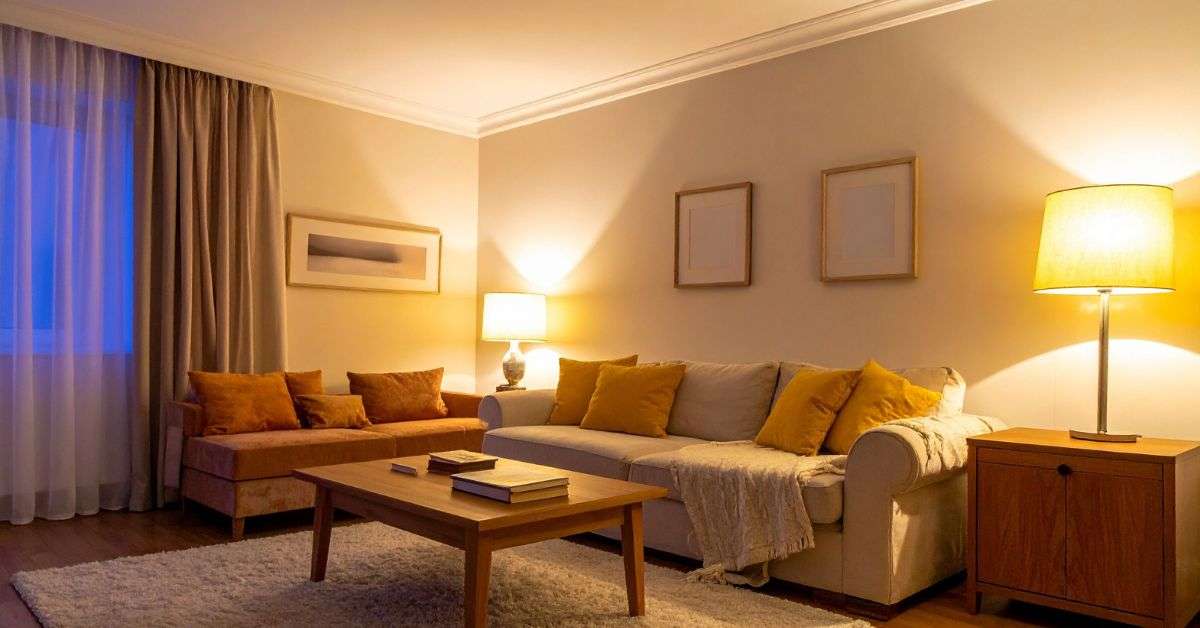
Modern living room lighting brings these layers together, ensuring that the space feels well-lit without being overwhelming.
Enhancing Comfort and Mood
Lighting has a direct impact on how a room feels. Harsh lighting can make a space feel cold or unwelcoming, while softer lighting creates a sense of comfort.
The ability to adjust brightness and tone allows homeowners to set the mood based on the time of day or activity.
Modern living room lighting focuses on this adaptability, helping create an environment that feels just right in different situations.
Highlighting Design and Decor
A well-designed living room often includes elements such as artwork, furniture, and architectural details. Lighting can enhance these features by drawing attention to them.
Accent lighting, for example, can highlight a painting or create shadows that add depth to the room.
Modern living room lighting is not just about visibility it’s also about showcasing the character of the space.
Supporting Everyday Activities
From reading and watching television to hosting gatherings, the living room is a multifunctional space. Each activity requires a different level of lighting.
Task lighting, such as a focused lamp, can make reading more comfortable. Ambient lighting ensures that the room is evenly lit for general use.
Modern living room lighting takes these needs into account, providing solutions that support daily routines.
Energy Efficiency and Sustainability
As awareness of energy use grows, many people are looking for ways to make their homes more efficient. Lighting plays a role in this effort.
Energy-efficient options can reduce electricity consumption while still providing effective illumination.
Modern living room lighting often incorporates these solutions, helping homeowners balance comfort with sustainability.
Adapting to Different Room Sizes
Not all living rooms are the same. Some are large and open, while others are smaller and more compact.
Lighting needs to be adjusted accordingly. Larger spaces may require multiple light sources, while smaller rooms benefit from carefully placed fixtures that maximize brightness without clutter.
Modern living room lighting is flexible enough to adapt to different layouts, ensuring that each space is used effectively.
Creating a Sense of Depth and Dimension
Flat lighting can make a room feel dull and uninteresting. By contrast, layered lighting adds depth and dimension.
Shadows, highlights, and varying light levels create a more dynamic environment. This makes the room feel more engaging and visually appealing.
Modern living room lighting uses these techniques to bring spaces to life.
The Role of Color Temperature
Light is not just about brightness it also has a color tone. Some lighting appears warm and yellow, while others are cooler and more white or blue.
Choosing the right color temperature can influence the mood of the room. Warmer tones are often associated with relaxation, while cooler tones can feel more energizing.
Modern living room lighting takes color temperature into account, helping create the desired atmosphere.
Flexibility Through Smart Design
Technology has introduced new ways to control lighting. Adjustable systems allow users to change brightness, color, and timing with ease.
This level of control makes it easier to adapt lighting to different needs throughout the day.
Modern living room lighting often includes these flexible features, making it more convenient and user-friendly.
Balancing Style and Function
While functionality is important, lighting also contributes to the overall style of a room. Fixtures can act as design elements that complement the decor.
The key is finding a balance between appearance and practicality. Lighting should enhance the space without becoming distracting.
Modern living room lighting achieves this balance by combining clean design with effective performance.
Planning for Long-Term Use
Lighting is not something that is changed frequently, so it’s important to plan carefully. A well-thought-out lighting design can serve a space for years.
Considering factors such as layout, usage, and personal preferences helps create a setup that remains useful over time.
Modern living room lighting encourages this kind of planning, ensuring that the result is both practical and lasting.
Final Thoughts
Lighting is one of the most powerful tools in shaping a living space. It affects how a room looks, how it feels, and how it functions.
Modern living room lighting offers a thoughtful approach that combines flexibility, efficiency, and style. By layering different types of light and considering factors such as mood, design, and usability, it creates spaces that are both comfortable and visually appealing.
Understanding its uses and importance allows homeowners to make informed decisions about their living spaces. In the end, the right lighting doesn’t just brighten a room—it enhances the entire experience of being in it.