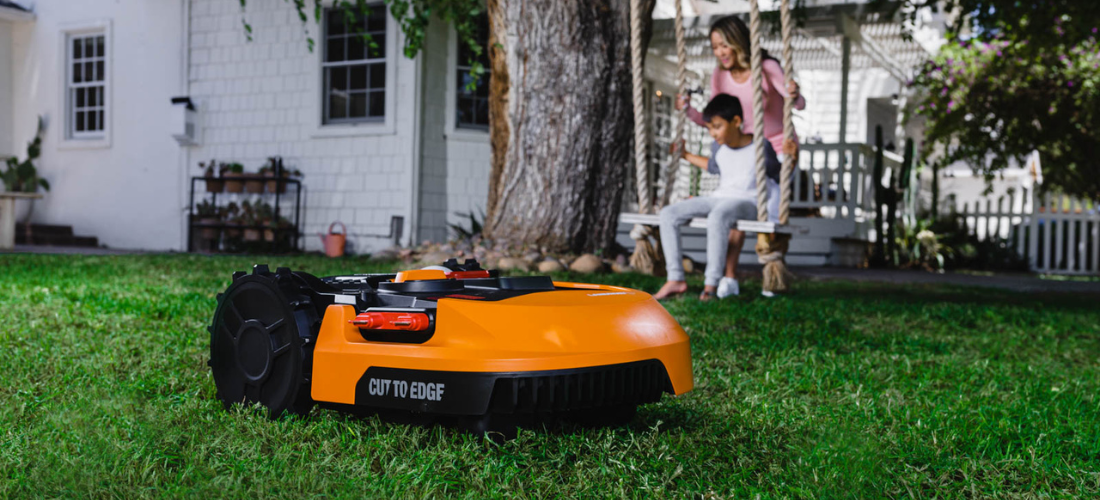
For Canadian homeowners, the end of autumn brings a unique set of chores. We winterize our pools, swap our tires, and prepare our homes for the sub-zero temperatures that characterize our northern climate. However, with the rise of smart home technology, there is a new essential item on the checklist: your robotic lawn mower.
Investing in a high-end autonomous mower like the MOVA LiDAX series is an investment in your property’s health and your own free time. To protect that investment from the brutal Canadian “Big Freeze” where temperatures can drop well below -30°C proper storage is not just a recommendation; it is a necessity. This guide provides a comprehensive, step-by-step tutorial on winterizing your MOVA mower to ensure it is ready to hit the grass the moment the first spring thaw arrives.
Why Winterization is Critical in Canada
The Canadian winter is particularly harsh on electronic components and lithium-ion batteries. Exposure to extreme cold and moisture can lead to:
- Battery Degradation: Lithium batteries can lose significant capacity if left in a discharged state during deep freezes.
- Sensor Damage: Precision components like 3D LiDAR and AI Vision cameras are sensitive to prolonged ice buildup and condensation.
- Mechanical Wear: Salt and frozen debris can cause corrosion on blade disks and wheel bearings.
Step 1: The Final Mow and Inspection
Before you retire your mower for the season, perform one final cut at a slightly lower height than usual (around 1.5 to 2 inches). This prevents “snow mold” from forming under the snowpack. Once the job is done, inspect your mower for any signs of wear. Check the blades and the chassis for any damage sustained during the busy growing season.
Step 2: Deep Cleaning (The “Anti-Corrosion” Phase)
In Canada, autumn grass is often damp and sticky. Use a brush and a damp cloth to remove all grass clippings, soil, and debris from the underside of the mower. Crucial Note: Even though the MOVA LiDAX Ultra 1000 has an IPX6 waterproof rating, never use a high-pressure power washer on the underside, as it can force moisture into sealants during the freezing process.
Step 3: Battery Management
The battery is the heart of your robotic mower. For optimal longevity, follow these rules:
- Charge to 80-100%: Never store a robotic mower with a flat battery.
- Power Down: Ensure the unit is completely powered off via the main switch or the MOVAhome App.
- Indoor Storage: The mower unit must be stored in a temperature-controlled environment (garage, basement, or shed that stays above 5°C).
Step 4: Preparing the Charging Station
While the mower unit must come inside, the charging station can often stay outdoors, but it requires protection. We recommend disconnecting the power supply and wrapping the station in a waterproof cover to prevent snow and ice from clogging the charging pins. If you have a MOVA Lidax Ultra 3000 AWD, ensure the docking area is cleared of any fallen leaves that could trap moisture against the base.
| Winterization Task | Action Required | Timing |
|---|---|---|
| Blade Replacement | Remove old blades; store new ones for spring. | Last Mow of October |
| Battery Care | Charge to 80%+ and move to a heated area. | Before first frost (-5°C) |
| Firmware Update | Check the App for the latest winter-sleep updates. | Day of storage |
Recommended Product: MOVA LiDAX Ultra Series
For Canadian users, the durability of the MOVA robotic lawn mower collection makes this process simple. Because MOVA mowers do not require buried perimeter wires (RTK-Free technology), you don’t have to worry about frost heave damaging underground cables during the winter a common headache for traditional robotic mower owners in Canada.
Spring Re-Activation
When the snow finally melts (usually around April or May in most Canadian provinces), re-activating your MOVA is a breeze. Simply:
- Wipe down the charging contacts with a dry cloth.
- Place the mower back on the station and power it on.
- Run a “Quick Map” update via the app to account for any changes in your landscape caused by winter runoff or fallen branches.
Conclusion
A little care in November saves a lot of stress in May. By following this professional winterization protocol, you ensure your MOVA remains the reliable, high-performance tool you need to conquer the Canadian growing season year after year. Stay warm, and let your technology rest as well as you do during the off-season.