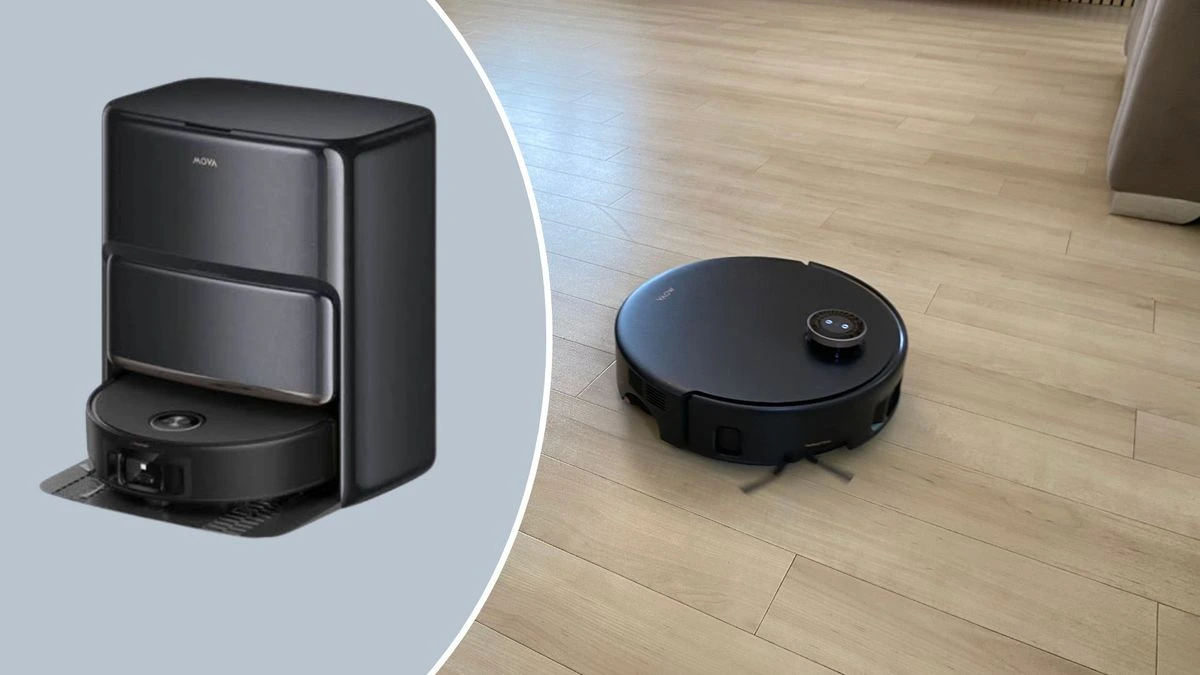
Robot vacuums have become much more advanced in recent years. What was once a simple automated vacuum is now a smart home cleaning device with powerful suction, intelligent navigation, mopping systems, obstacle avoidance, and self emptying capabilities.
With so many models available in 2026, it can be difficult to know which features actually matter. A higher price does not always mean a better fit for your home.
If you are wondering what to look for in a robot vacuum, the most important factors include cleaning performance, navigation, floor type, battery life, maintenance, and the level of automation you want.
1. Suction Power
Suction power is one of the first specifications to consider, especially if you have carpets, rugs, or pets.
A robot vacuum needs enough cleaning power to pick up dust, crumbs, dirt, and pet hair. Homes with dogs or cats may benefit from stronger suction because hair can accumulate quickly and become trapped in carpets.
However, suction power should not be considered on its own. The brush design, airflow, cleaning path, and ability to adjust suction on different floor types also affect real world performance.
If your home has a combination of hardwood floors and carpets, look for a robot vacuum that can automatically increase cleaning power when it detects carpet.
2. LiDAR and Smart Navigation
Navigation is another major difference between basic and advanced robot vacuums.
Many modern models use LiDAR to scan their surroundings and create detailed maps of the home. Instead of moving randomly, the robot can plan more efficient cleaning routes and identify different rooms.
A good mapping system can also allow you to:
- Create room specific cleaning schedules
- Select specific rooms to clean
- Set no go zones
- Create virtual boundaries
- Track cleaning progress through an app
LiDAR is particularly useful in larger homes or spaces with multiple rooms because the robot can better understand its position and cleaning environment.
3. Obstacle Avoidance
Your floors are probably not completely empty. Shoes, cables, toys, pet bowls, furniture, and other everyday objects can become obstacles for a robot vacuum.
Advanced obstacle avoidance can help the robot identify objects and navigate around them instead of getting stuck or repeatedly bumping into them.
This feature can be especially useful for families with children or pets.
When comparing models, consider how well the robot handles everyday objects rather than simply looking for the most impressive navigation specification.
4. Mopping Performance
Many robot vacuums now combine vacuuming and mopping in one device.
For homes with hard floors, a good mopping system can help remove fine dust, footprints, dried spills, and other residue that vacuuming alone cannot handle.
However, not all robot mop systems work in the same way. Some simply drag a damp pad across the floor, while more advanced systems may apply pressure, use rotating mop pads, or automatically wash and dry the pads at the dock.
If mopping is important to you, consider how the system handles dirty mop water, how often the pads need to be cleaned, and whether the robot can automatically lift or avoid the mop on carpets.
5. Self Emptying
One of the most convenient features available in modern robot vacuums is a self emptying dock.
Without this feature, you may need to empty the robot’s relatively small dustbin after frequent cleaning sessions. A self emptying station automatically transfers debris from the robot into a larger collection container or dust bag.
This can be particularly valuable for households with pets because the robot may collect significant amounts of hair every day.
If your priority is minimizing maintenance, self emptying should be high on your list of features to consider.
6. Battery Life and Recharge
Battery life becomes more important as your home gets larger.
A robot vacuum with a larger battery can potentially clean more floor area before returning to its charging dock. However, battery capacity is not the only factor that matters. Cleaning mode, suction power, floor type, and navigation efficiency can all affect runtime.
For larger homes, look for a model that can automatically return to the dock when the battery is low and resume cleaning after charging.
This means you do not necessarily need to worry about whether the robot can finish the entire house in one run.
7. Brush Design and Anti Tangle Technology
If you have pets or long hair in your household, pay close attention to the main roller brush.
Hair can wrap around traditional brush rolls and eventually reduce cleaning performance. Removing tangled hair manually can also become one of the most frustrating parts of robot vacuum ownership.
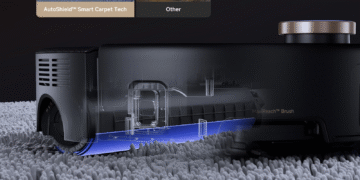
Anti tangle brush designs are intended to reduce this problem by guiding hair toward the suction path or making it easier to remove.
For pet owners, an effective brush system can be just as important as high suction power.
8. Navigation and Cleaning Under Furniture
A robot vacuum should be able to reach more than the center of the room.
Low profile furniture such as sofas, beds, and cabinets can collect large amounts of dust and pet hair underneath. A robot with a relatively low design can access these areas without requiring you to move furniture manually.
Some models can also detect areas that are difficult to navigate and adjust their cleaning route accordingly.
When comparing models, consider the actual layout of your home rather than choosing features based only on specifications.
9. App Controls and Smart Features
A good companion app can make a robot vacuum much easier to use.
Depending on the model, you may be able to schedule cleaning, select rooms, adjust suction power, control mopping settings, monitor maintenance, and view cleaning maps.
Smart home integration can also be useful if you already use connected devices in your home.
The most useful smart features are those that reduce daily interaction. A robot vacuum should ideally allow you to set your preferred cleaning routine once and then let the system handle most of the work automatically.
10. Maintenance and Replacement Parts
Even highly automated robot vacuums require some maintenance.
Before buying, check how easy it is to access the roller brush, side brushes, filters, dustbin, water tank, and other components.
Also consider the availability and cost of replacement parts. Filters and brushes are consumable components, so being able to replace them easily can help maintain cleaning performance over time.
A robot vacuum with impressive features but difficult maintenance may become less convenient in the long run.
Which Features Matter Most?
Not every household needs every premium feature.
For a pet owner, suction power, brush design, anti tangle technology, and self emptying may be the highest priorities.
For someone living in a large home, LiDAR navigation, obstacle avoidance, mapping, and long battery life may be more important.
For homes with mostly hard floors, a capable mopping system could provide more value than extremely high suction power.
The best approach is to match the robot vacuum’s features to your actual cleaning needs rather than paying for technology you are unlikely to use.
Final Thoughts
Knowing what to look for in a robot vacuum can make the buying process much easier.
In 2026, features such as powerful suction, LiDAR navigation, obstacle avoidance, mopping, self emptying, long battery life, and anti tangle brush systems can significantly improve the cleaning experience. However, the most important features depend on your home, floor types, pets, and cleaning habits.
Instead of choosing a robot vacuum based solely on price or the number of features listed on the box, focus on the capabilities that will make your everyday cleaning routine easier.
The right robot vacuum should not simply clean your floors. It should reduce the amount of time and effort you need to spend thinking about cleaning in the first place.