Key Takeaways
- Regular exterior washing with car-specific soaps and microfiber tools protects paint and prevents rust.
- Proper interior cleaning, including vacuuming, wiping down surfaces, and conditioning leather, helps maintain hygiene and comfort.
- Seat covers, floor mats, and prompt stain management preserve upholstery and carpets.
- Keeping windows and mirrors clean ensures optimal visibility and safer driving.
- Organizing and decluttering your vehicle reduces distractions and simplifies maintenance.
- Prevent odors by cleaning spills immediately, limiting eating in the car, and replacing cabin air filters regularly.
- A consistent, detailed maintenance routine enhances your car’s longevity, value, and overall driving experience.
Introduction
Keeping your car looking immaculate not only boosts its curb appeal but also safeguards its long-term value and contributes to a healthier driving environment. Proper cleaning prevents dirt, pollen, and grime from causing wear, and a regular routine minimizes the risk of any lasting damage. A thoughtful approach to car maintenance goes beyond aesthetics and can make a noticeable difference in your ownership experience. Learn more about effective car cleaning and maintenance strategies to protect your investment.
Comprehensive care extends to every part of your vehicle, from the exterior paintwork to the smallest corners of your interior. By using the right cleaning methods and maintenance strategies, you ensure not just a beautiful vehicle, but one that stays reliable and comfortable for years.
Regular Exterior Washing
A consistent washing schedule, usually every one to three weeks, removes abrasive materials and helps preserve your car’s finish. Selecting a car-specific soap and gentle microfiber mitts is critical, as traditional household cleaners can strip protective coatings and leave scratches. Focus on the wheel wells and underbody, where road salt and grime may accumulate and turn into rust if neglected. For best results, wash your car in the shade and rinse thoroughly before drying.
To maintain that freshly washed look, always dry your vehicle with a microfiber towel rather than air-drying, which can cause water spots and streaks. Attention to detail in your wash routine also reduces the likelihood that contaminants will bond to your paint over time, making each subsequent cleaning easier.
Proper Interior Cleaning
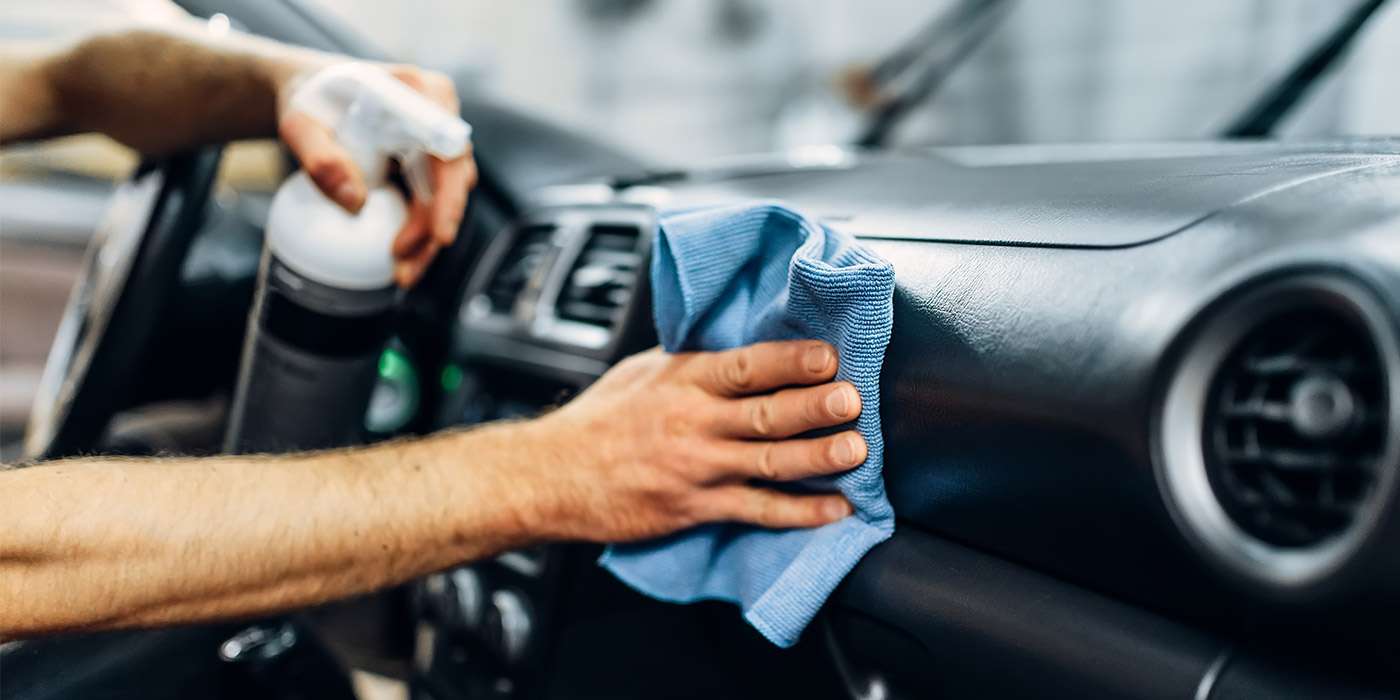
The inside of your vehicle often becomes a collection point for dust, pet hair, crumbs, and bacteria, especially if it is driven daily. Start by removing all unnecessary and loose items, then thoroughly vacuum seats, carpets, floor mats, and under the seats. Use proper attachments to reach nooks and crannies where debris tends to settle. Next, wipe down all hard surfaces: dashboard, steering wheel, consoles, and doors with a microfiber cloth dampened with a mild cleaner appropriate for automotive interiors. This helps reduce allergens and improves the overall hygiene.
For leather upholstery, regularly applying a conditioner helps prevent the material from drying out or cracking. If your seats are fabric, spot clean as needed with an upholstery cleaner made for autos. This not only keeps seats looking fresh but also prevents odors from lingering inside the cabin.
Protecting Upholstery and Carpets
Installing seat covers and floor mats is an effective measure to preserve the original interior materials. These accessories capture dirt and moisture, enabling quick removal and cleaning without extensive scrubbing. Prompt attention to spills or stains prevents them from becoming permanent. Shake out and wash mats regularly, and vacuum beneath them to prevent grit from damaging carpet fibers over time.
Maintaining Windows and Mirrors
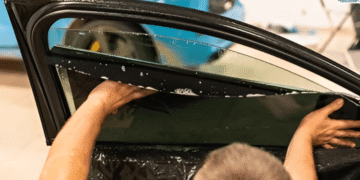
Clean, clear windows and mirrors are essential to maximizing your field of vision and ensuring safe driving. Select an ammonia-free automotive glass cleaner to prevent streaks and safeguard window tint. Always use a microfiber towel for wiping, as paper towels or other fabrics can leave lint or scratches. Do not neglect the interior side of the glass or your rearview and side mirrors.
Rain guards and window seals should also be inspected and cleaned, as trapped debris can affect window operation and lead to leaks. Regular care ensures clarity and visibility in a variety of driving conditions.
Organizing and Decluttering
A neat and organized vehicle not only looks better but also prevents headaches when cleaning and reduces distractions while on the road. Utilize trunk and seat-back organizers to give every item its proper place. Get into the habit of removing garbage and excess gear after each trip to prevent clutter from building up. Having a small, sealable trash bin or bag makes it easy to dispose of wrappers and receipts right away.
Preventing Odors
Keeping your car smelling pleasant involves a few straightforward habits. Avoid eating in the car to reduce food residue and accidental spills, and always clean up any messes immediately to prevent odors or stains from setting in. Use an air freshener, or discreetly place a box of baking soda under a seat to absorb unwanted smells. Additionally, remember to replace your vehicle’s cabin air filter regularly, as it helps trap airborne contaminants and keep the cabin air fresh.
Final Thoughts
Maintaining a spotless car, inside and out, is an ongoing commitment that pays off in longevity, aesthetics, and value. With a dedicated routine and attention to detail, your vehicle will stay inviting and ready for every journey. Regular exterior and interior care not only reflects pride in your ride but also fosters a clean, safe, and comfortable environment for everyone inside.