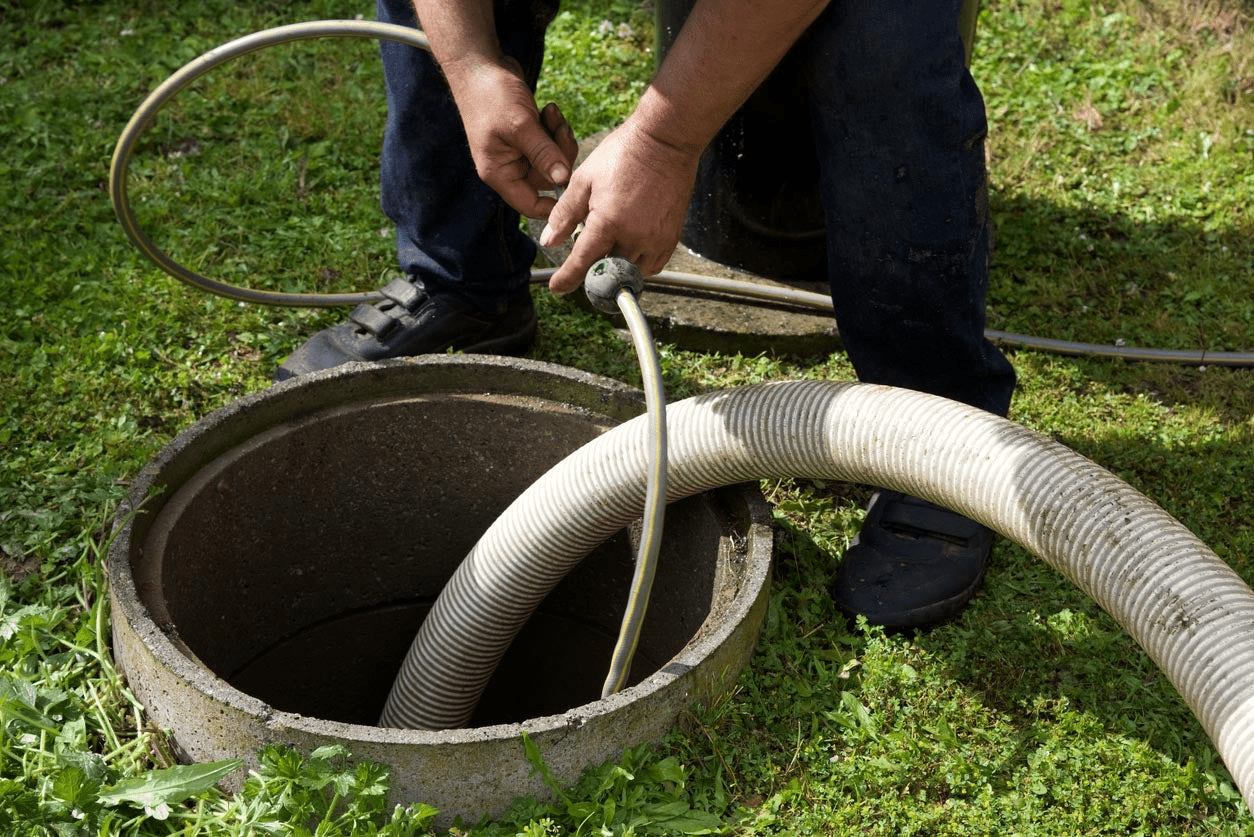
Keeping your home’s septic system functioning properly is essential for both your family’s health and the surrounding environment. When left unchecked, a septic tank that is full or failing not only risks property damage and expensive repairs but also creates serious sanitation hazards. Knowing when to act can extend your system’s life and prevent disruption. If you’re looking for a trusted solution in your area, consider scheduling a League City septic cleaning to protect your investment and maintain household safety.
Often, the red flags that signal a problem start small a faint, strange odor in your backyard, or drains that start to gurgle during routine use. Understanding and identifying these symptoms quickly enables you to get professional help before they develop into unmanageable problems. Septic systems are intricate, and ignoring early warning signs can compromise not only your home’s hygiene but also the groundwater and the environment.
While homeowners are accustomed to routine maintenance, septic systems are frequently overlooked until problems are obvious. Regular inspections and preventive care help you resolve issues much earlier, minimizing costly disruptions. Staying proactive and well-informed is your best safeguard against unexpected emergencies.
For those managing larger buildings or businesses, timely commercial septic cleaning is just as important for keeping your system operating efficiently and ensuring regulatory compliance.
Slow Drains and Gurgling Sounds
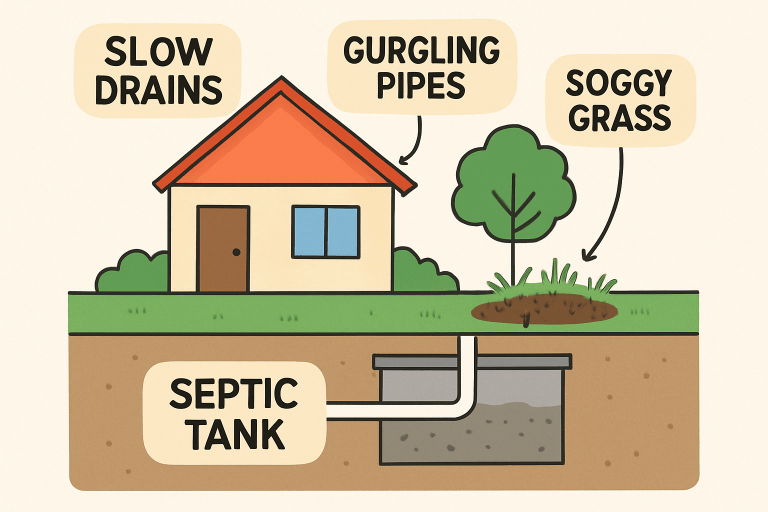
If your sinks, showers, and toilets are draining more slowly than usual, it can be an early warning sign of septic system problems. A slow drain especially across multiple fixtures can indicate that the septic tank is filling up or that an obstruction has formed. Pay attention to any gurgling noises, as these typically signal trapped air bubbles and pressure changes caused by a blockage or a nearly full tank. Handling these issues early is vital to avoid backups and more extensive repairs.
Unpleasant Odors
The presence of strong, sewage-like odors in your house or yard points directly to septic or wastewater issues. These smells are often due to gases produced by decomposing wastewater when the system isn’t operating effectively. The rotten egg odor from hydrogen sulfide is a telltale sign. Persistent odors should not be ignored, as they may indicate untreated wastewater seeping into the soil or back into your home. Professional intervention is needed to control these hazards and restore healthy conditions.
Standing Water or Soggy Spots
Pools of water or overly damp areas above or around your septic tank or drain field especially during dry weather indicate a septic overflow or a failing drain field. When wastewater escapes from the tank or can’t percolate through the soil, it saturates the ground, creating soggy spots. This not only poses a risk to your property but can also expose you and your family to pathogens. Prompt action is necessary to identify the source of flooding and ensure effective repair.
Lush Green Grass Over the Drain Field
Unusually lush, vibrantly green patches of grass above your drain field can look appealing but may suggest wastewater is surfacing and fertilizing the vegetation. This effluent leakage indicates your septic system is not dispersing or treating wastewater properly. Left unchecked, this can endanger groundwater and lead to larger issues requiring system excavation or replacement.
Sewage Backup
Sewage coming up through toilets, sinks, or floor drains is a clear sign of a severe septic tank malfunction. Not only does this create an immediate health hazard from bacteria and viruses, but the repairs can become extensive if not addressed quickly. Should you observe any sewage backup, stop using water immediately and contact a septic professional right away to prevent contamination from spreading.
Gurgling Noises in Pipes and Fixtures
Gurgling noises from several plumbing fixtures often indicate that air and gases are trapped, typically due to a clogged or overflowing tank. Noticing these sounds repeatedly especially during temperature changes or after heavy use should be treated as an urgent indicator that professional septic tank cleaning is overdue. Ignoring these sounds can quickly escalate to full-scale backups and costly repairs.
Grease Buildup in the System
A leading cause of septic and plumbing problems is the accumulation of grease, especially from the kitchen. Grease does not decompose; instead, it adheres to and clogs the interior walls of pipes and tanks. Over time, this buildup attracts other solids, worsening the obstruction. Even if you avoid pouring grease directly down the drain, minute amounts from dishwashing and cooking can accumulate, making routine inspections and regular cleaning vital for prevention.
Frequent Pumping or Clogs
A healthy septic tank should only require pumping every two or three years, depending on household size and water usage. If you find yourself needing frequent pump-outs or repeatedly dealing with clogs, it often signals bigger problems like damaged baffles, invasive tree roots, or collapsed pipes. In these situations, a skilled technician can provide specialized installation to determine the best solution to restore your system’s normal function.
Homeowners should always watch for early warning signs and schedule regular professional assessments to ensure a safe and reliable septic system. Addressing these issues early preserves not only your property but also protects local water quality and the wider ecosystem.